What Harbor Watcher is
Harbor Watcher is a public-data directory of cargo vessels and global commercial ports. Every page is a static, server-rendered HTML document — no JavaScript application, no required login, no paywall, no behavioural tracking by default. The data behind the directory is refreshed periodically from public sources, principally the Wikidata SPARQL endpoint for port geography and metadata, the UN/LOCODE registry maintained by UNECE for port identification, and AIS-derived vessel particulars sourced from public maritime feeds and reference databases.
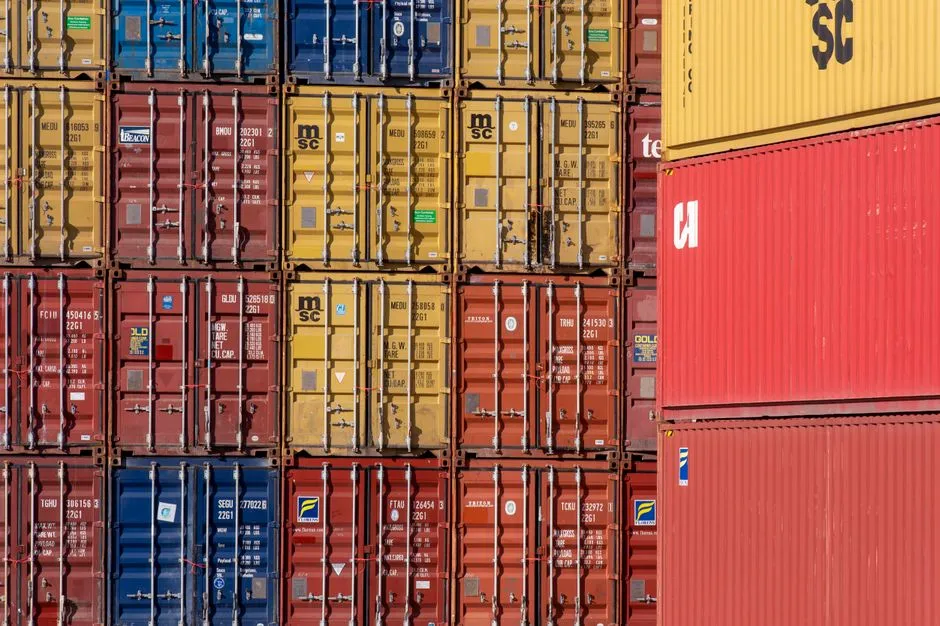
Each port profile shows currently moored vessels, recent arrivals, recent departures, basic geographic context (latitude, longitude, country), the UN/LOCODE identifier, and a vessel-type mix breakdown. Each vessel profile shows the IMO number, MMSI, flag state, vessel type, principal dimensions (length overall, beam, gross tonnage, deadweight), build year, and the last reported AIS position. Country indexes group ports by national jurisdiction, vessel-type indexes group ships by AIS-reported type, and dedicated country × vessel-type pages let researchers slice the data into commercially meaningful segments.
Who Harbor Watcher is for
The directory was built primarily for three audiences: freight researchers and supply-chain analysts who need fast browsable answers to questions like "which carriers are calling at this port today" or "how much tanker traffic does this country handle"; journalists and policy researchers investigating maritime commerce, port congestion, sanctions enforcement, or environmental compliance; and maritime enthusiasts and educators who want a clean, well-indexed reference site for teaching how AIS, IMO numbers, UN/LOCODEs, and the wider shipping system fit together.
What Harbor Watcher is not
Harbor Watcher is explicitly not a navigational tool. AIS data and any metadata derived from it are inherently delayed and approximate. The vessel positions shown in this directory are last-known reports, often updated minutes or hours after the actual fact, and they are subject to receiver coverage gaps, transponder outages, and AIS spoofing. Nothing on Harbor Watcher should ever be used for navigation, collision avoidance, vessel traffic management, pilotage, customs declarations, or commercial chartering decisions. Operators who need authoritative real-time data should use their certified AIS provider, their port community system, or the official services of the relevant national hydrographic office and port authority.
How the site is structured
Every entity in Harbor Watcher has a permanent canonical URL. Ports live under /ports/ (by port slug), vessels under /vessels/ (by IMO number), country indexes under /countries/ (by country code), country × vessel-type intersections one level deeper under each country (by vessel-type slug), vessel-type indexes under /vessel-types/, and long-form reference articles under /guides/. The full URL set is enumerated in the XML sitemap and is intentionally crawlable without JavaScript so that search engines, archival services, and offline tools can index the entire dataset.
Open data, open structure
Harbor Watcher favours open public sources over proprietary feeds. Where commercial AIS feeds would offer richer data — sub-minute position updates, full historical voyage replay, signed cryptographic provenance — the directory deliberately uses public reference datasets so that everything visible on the site can in principle be reproduced from sources you can also access. The data sources page lists the specific datasets used and their licensing terms, and the methodology page describes how the raw inputs are normalised, deduplicated, and joined into the entity model that the directory presents.