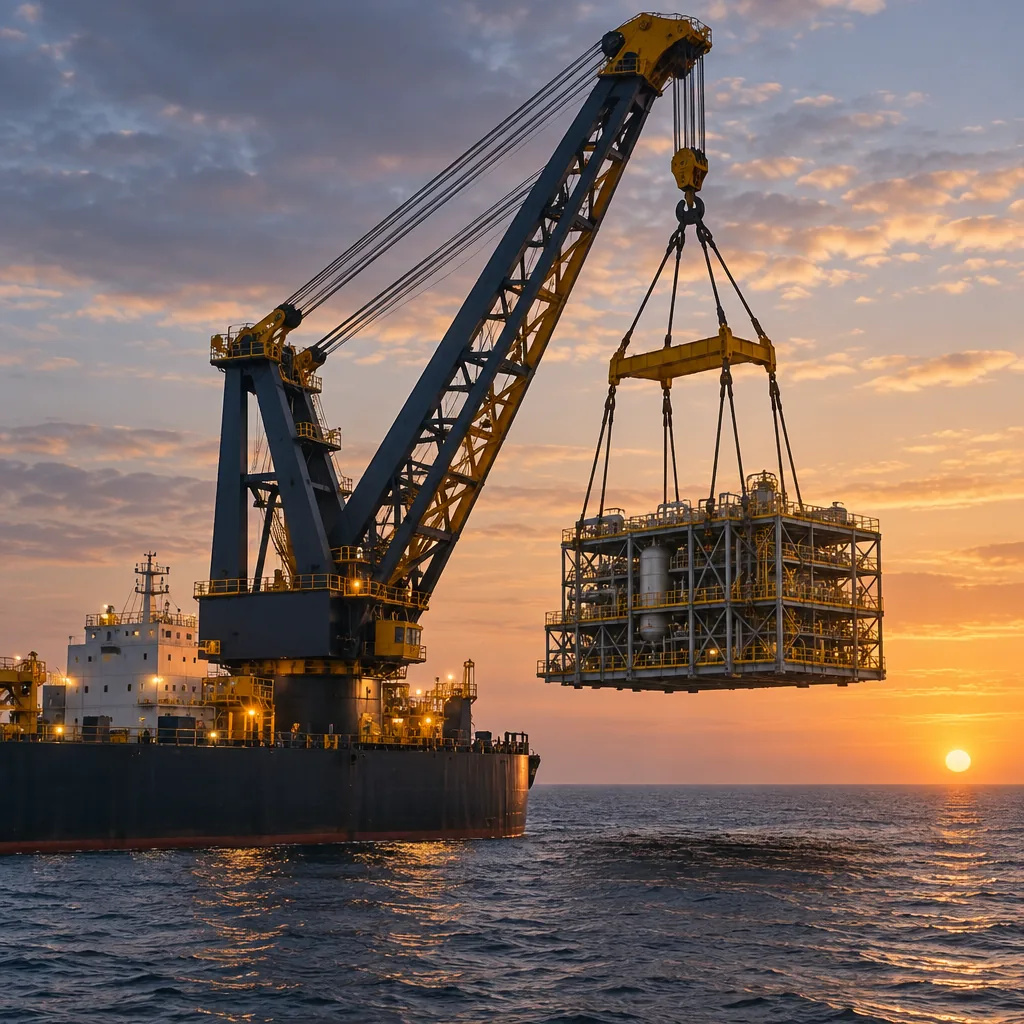
About ZENITH FALCON
ZENITH FALCON is a China-flagged Heavy Lift registered under IMO 9082113 (MMSI 260527962) and currently associated with the Port of Nagoya, Japan. Vessels in this class belong to the broader commercial port family — operationally that means cargo handling and voyage planning are dominated by a mixed fleet of merchant vessels including general cargo ships, container feeders, and small bulk carriers. Cargo handling combines fixed gantry plant with mobile cranes and conventional break-bulk gear. She measures 142 metres in length overall by 21 metres in beam, with a gross tonnage of 43,537 GT and a deadweight of 59,640 tonnes.
The vessel is shown at anchor, typically waiting for a berth, awaiting tide, taking bunkers, or holding while clearance and documentation are finalised. Her current declared estimated time of arrival is May 2, 2026 19:42 UTC, although ETAs are routinely revised in transit to reflect weather, routeing and pilot scheduling. She was built in 2023. The vessel is registered with the International Maritime Organization, whose database of registered ships and the conventions governing their operation is published at the IMO conventions library.
IMO numbers are issued by IHS Markit on behalf of the International Maritime Organization and remain attached to the hull for the lifetime of the vessel — they do not change with sale, re-flagging, or rename. MMSI numbers, in contrast, are issued by the flag state’s telecommunications administration and identify the vessel’s radio installation; an MMSI changes when a vessel changes flag. When researching an individual ship across historical records — particularly for incident investigation, port state inspection history, or insurance claims — the IMO number (9082113) is the stable identifier to anchor the search on, while the MMSI is the right key for AIS reception logs and VHF radio licensing records.
The vessel’s declared dimensions of 142 metres length overall by 21 metres beam, with 43,537 gross tonnage and 59,640 tonnes deadweight, place her in a specific size class within the global heavy lift fleet. These particulars determine which port berths she can use, which canals she can transit (Panama Canal locks, Suez Canal draught, the Strait of Malacca’s Malaccamax constraint), and which terminals around the world have the cranes and yard plant to work her efficiently.